Your Cart is Empty


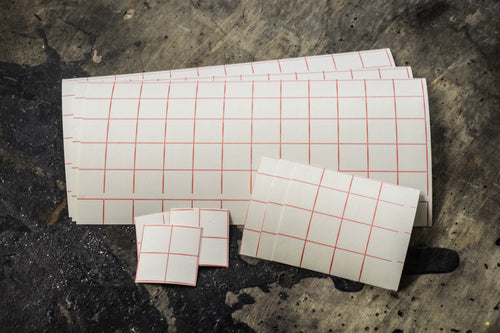
If you're layering colors with Cerakote or DuraCoat and your vinyl stencils are curling between coats, the culprit is almost always the same: too much heat for too long.
Freedom Stencils' vinyl is rated to handle bake cycles up to 225°F — but that's a ceiling, not a target. The longer a stencil sits at elevated heat, the more the adhesive softens, and the more likely edges are to lift, shrink, or curl, especially around tight contours and fine detail areas.
For reference, other stencil-grade vinyl — including Avery Dennison's — is only reliably stable up to around 200°F despite being marketed as "high heat." Push past that threshold and the adhesive begins breaking down even if the vinyl itself appears intact.
Flash curing isn't a shortcut — it's a deliberate step already built into the process by both Cerakote and DuraCoat. The goal is simple: firm up a fresh coat just enough to handle the next layer without fully curing it, keeping the surface receptive to the next color.
When using Freedom Stencils between color layers, we recommend flash curing at 160–180°F for a maximum of 5 minutes. Pull the part as soon as it reaches tack-free — don't run the clock out if it's already there.
This conservative range gives you solid results with Cerakote and DuraCoat while providing meaningful headroom before vinyl adhesive begins to soften and lift. It's especially important if you're working with a toaster oven or any oven that hasn't been calibrated — these commonly run 15–25°F hotter than the dial reads, which can push you into curling territory without warning.
Experienced users with a calibrated oven can work toward the higher end of the range, but when in doubt, cooler and shorter is always the safer call.
Once every color is applied and all stencils are off the part, you're clear to run the coating manufacturer's full high-temperature cure schedule without any curling risk.
Most importantly — watch your oven during those first few flash cycles rather than setting a timer and walking away. Catching a curl at the edges early lets you pull the part before it spreads.
Stay disciplined about temperature and time, and your stencils will stay flat, your edges will stay crisp, and your patterns will come out clean every time.
Please fill out the following form to declare your withdrawal from the contract.
